
Generative Engine Optimisation (GEO) is about getting your business mentioned and trusted in AI-generated answers, not just ranking in classic search results. The best tools for GEO help you track where you show up in AI responses, understand the questions people are asking, and improve your content so AI systems can confidently use it.For businesses that want practical SEO and AI-focused optimisation support, working with an experienced team like SEO Kitchener can help improve visibility in both traditional search and AI-generated results.
Track AI visibility and brand mentions
These tools are useful when you want to see whether your brand appears in AI-style results and which topics you should cover next.
Semrush is a strong all-in-one option for keyword research, competitor analysis, content planning, and visibility tracking workflows. It is especially practical for small and mid-sized businesses that want one platform to manage both traditional SEO and GEO-style research.

Ahrefs is excellent for backlink analysis, competitor research, and finding content opportunities. It is a great fit if link strategy and competitive research are a big part of how you grow.
Conductor is typically better for larger teams that want reporting and visibility insights tied to content performance at scale.
Profound focuses more directly on AI answer visibility, including share-of-voice style monitoring. It is usually aimed at organisations that want dedicated tracking for AI-driven discovery.
Adobe has an enterprise-focused offering for tracking and improving brand representation in generative AI experiences, which is useful when governance and brand consistency are major priorities.
Improve content for GEO
GEO content needs to be clear, complete, and structured around real customer questions. These tools help you build pages that answer questions directly and cover the full topic properly.

SurferSEO helps you structure and optimise pages so they align with what is performing in search, which is useful when you are improving service pages and supporting articles.
Clearscope is helpful for tightening topical coverage and keeping your content consistent and high-quality across your site.
MarketMuse is strong for planning topic clusters and identifying content gaps, which matters because AI systems tend to favour brands with depth and completeness around a topic.
Strengthen entity signals, structure, and schema
If you want AI systems and search engines to understand who you are, what you do, and how your pages connect, entity and schema tools can help.
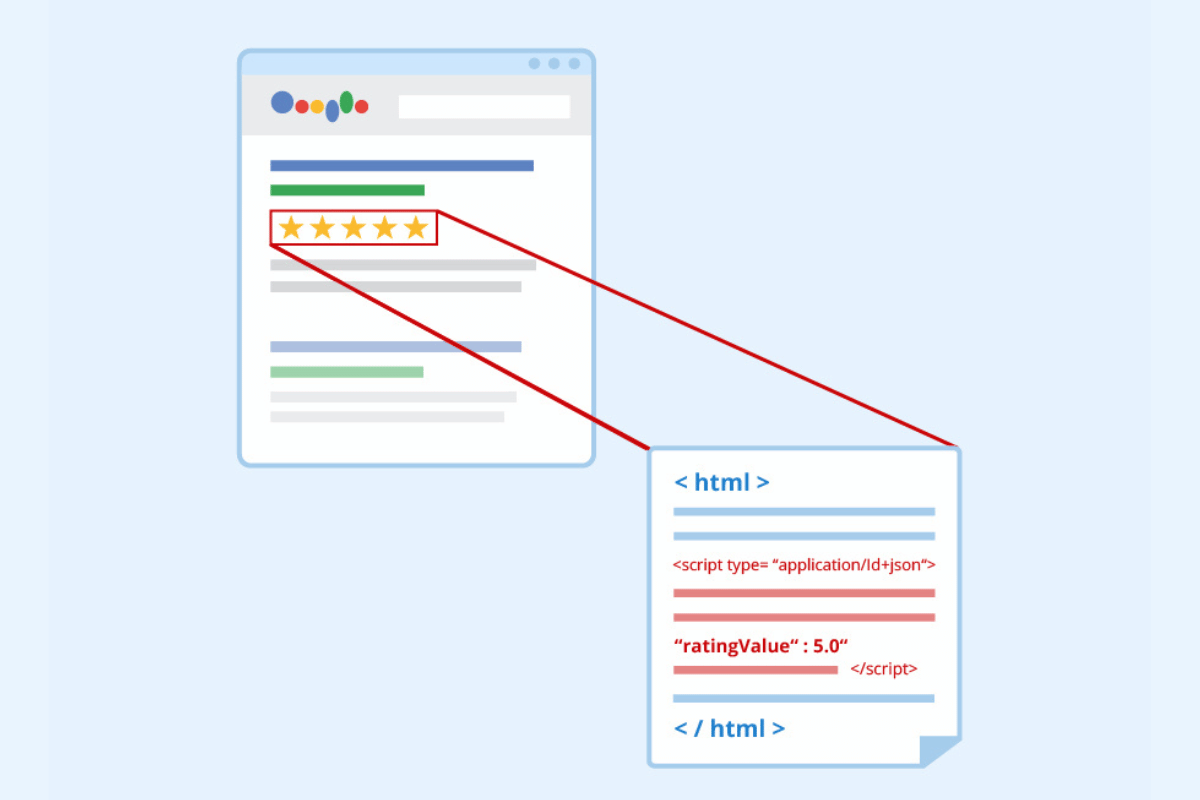
Schema App is a robust option for structured data and knowledge-graph style support, especially when you have many pages or multiple locations.
WordLift helps connect content topics and entities with structured data so your site is easier for machines to interpret.
InLinks supports internal linking and entity-based optimisation, which can help reinforce your topical authority across key service themes.
Measurement tools you still need
Even with GEO tracking tools, you must measure leads and conversions so you know what is working.
Use Google Search Console to monitor impressions, queries, and page-level performance. Pair it with **Google Analytics to track form submissions, phone clicks, booking actions, and conversion rate changes over time.
Recommended tool stacks
If you want this simple, here are practical combinations that work well for business owners.
Starter stack (small service business): choose one SEO suite (Semrush or Ahrefs), one content optimiser (SurferSEO or Clearscope), plus Search Console and Analytics for measurement.
Growth stack (competitive market): use Ahrefs for deeper competitor and link research, a content optimiser for consistent content quality, and consider a schema or entity tool when your site grows and you need stronger structure.
Advanced stack (multi-location or enterprise): use an enterprise SEO platform for reporting and governance, and add a dedicated AI visibility platform when AI share-of-voice tracking becomes a priority.