
Your business website is often the first impression potential customers have of your company. A well-structured website not only builds credibility but also improves user experience, SEO performance, and conversion rates. Whether you own a local service business in Kitchener or an online company targeting wider markets, the pages you include on your website play a major role in how customers perceive your business.
This guide explains the essential pages every professional website should have, why they are important, and how they contribute to SEO and customer trust.
1. Homepage – Your Digital Front Door
The homepage is the most visited page on any website. It should:
- Clearly explain what your business does
- Highlight key services
- Include a strong value proposition
- Provide easy navigation to other important pages
- Feature clear calls-to-action (CTAs) such as Book Now, Contact Us, or Get a Quote
Tip: Use simple language and ensure your homepage loads fast to reduce bounce rates.
2. About Us Page – Build Trust and Human Connection
Customers want to know who they are dealing with. The About Us page should:
- Tell your story
- Share your mission and values
- Highlight your experience and achievements
- Build personal connection with visitors
- Show real photos of your team or workplace
This page is especially important for service-based businesses where trust matters.
3. Services Page – Showcase What You Offer
Every business must have a Services page (or multiple service pages). This page should:
- List all services you offer
- Provide clear descriptions
- Include benefits and features
- Explain your process
- Add service-specific FAQs
- Use relevant keywords for SEO
Best Practice: Create individual service pages for SEO (e.g., Plumbing Repair in Kitchener, Hair Styling Services, Snow Removal Contracts).
4. Products Page (If Applicable) – Present What You Sell
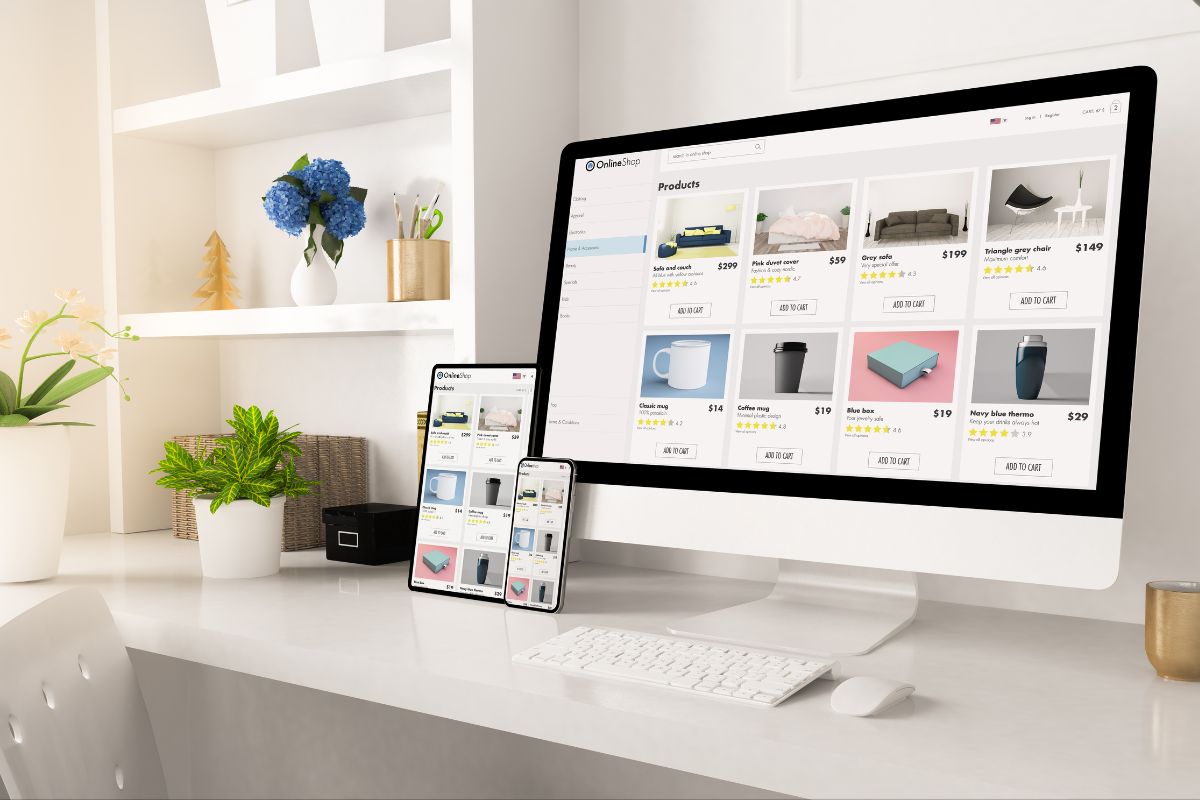
For eCommerce or product-based companies, a Products page is essential.
Include:
- Product categories
- High-quality images
- Pricing
- Features/specifications
- Customer reviews
- “Add to Cart” or “Buy Now” options

Each product should have its own dedicated page for better SEO and conversions.
5. Contact Page – Make It Easy to Reach You
A Contact page should include:
- Phone number
- Email address
- Physical address (if applicable)
- Business hours
- Contact form
- Embedded Google Map
- Links to social media
SEO Tip: Include your full business Name, Address, and Phone (NAP) to help with local SEO.
6. Testimonials or Reviews Page – Social Proof That Builds Confidence
People trust customer feedback. Your Testimonials page should feature:
- Google reviews
- Client testimonials
- Before/after results (if suitable)
- Case studies

Positive reviews significantly increase conversions.
7. Frequently Asked Questions (FAQ) Page – Reduce Hesitation
An FAQ page helps:
- Answer common customer questions
- Reduce customer service inquiries
- Build credibility
- Improve website SEO by targeting long-tail keywords

Example FAQs: pricing, availability, process, guarantees, and policies.
8. Portfolio or Gallery Page – Show Your Work
Ideal for contractors, renovation companies, landscapers, hair stylists, and designers.
Include:
- Before-and-after images
- Completed projects
- Descriptions of work
- Videos or walkthroughs
Visual proof increases trust and helps customers make faster decisions.
9. Blog or Resources Page – Improve SEO and Educate Customers
A blog is essential for long-term SEO growth.
Benefits:
- Helps your website rank for more keywords
- Builds authority and trust
- Provides helpful content for customers
- Supports your social media marketing
- Drives organic traffic without paid ads
Write posts that answer real customer questions.
10. Privacy Policy Page – Required for Legal Compliance
Mandatory for all websites, especially those collecting:
- Contact forms
- Analytics data
- Cookies
- Email subscribers
It builds trust and protects your business legally.
11. Terms & Conditions Page – Protect Your Business
Recommended for:
- ECommerce stores
- Subscription services
- Websites handling payments
It outlines rules, returns, refunds, and usage guidelines.
12. Pricing Page (If Suitable) – Increase Transparency
Customers often look for pricing before contacting a business.
You can include:
- Package pricing
- Starting prices
- Custom quote options
- Comparison charts
Clear pricing increases conversion rates.
13. Careers Page – Attract the Right Team Members
If your business is hiring, include a Careers page with:
- Job openings
- Company culture information
- Application form
This helps attract better candidates and reduces recruitment time.
A professional business website is more than a collection of pages—it is a complete user experience that must guide visitors toward taking action. By including these essential pages, you improve:
- Visibility on Google
- User trust
- Conversion rates
- Brand authority
- Customer engagement
Whether you’re building a new website or upgrading an existing one, these pages form the foundation of a successful online presence.