
Search engines rely on clear signals to understand and index websites properly. One of the most important technical elements that supports this process is a sitemap. While many website owners focus heavily on content and keywords, sitemaps quietly play a critical role behind the scenes by helping search engines discover and organize website pages more efficiently.
This guide explains what sitemaps are, how they work, and why they are an essential part of any search engine optimization strategy.
What Is a Sitemap
A sitemap is a file that lists the pages on a website and provides information about their structure. It helps search engines understand which pages exist, how they are connected, and which ones are most important. The most commonly used format is an XML sitemap, which is created specifically for search engines. A sitemap does not replace proper internal linking, but it supports it by offering a clear roadmap of your website. For expert help, you can visit technical SEO.
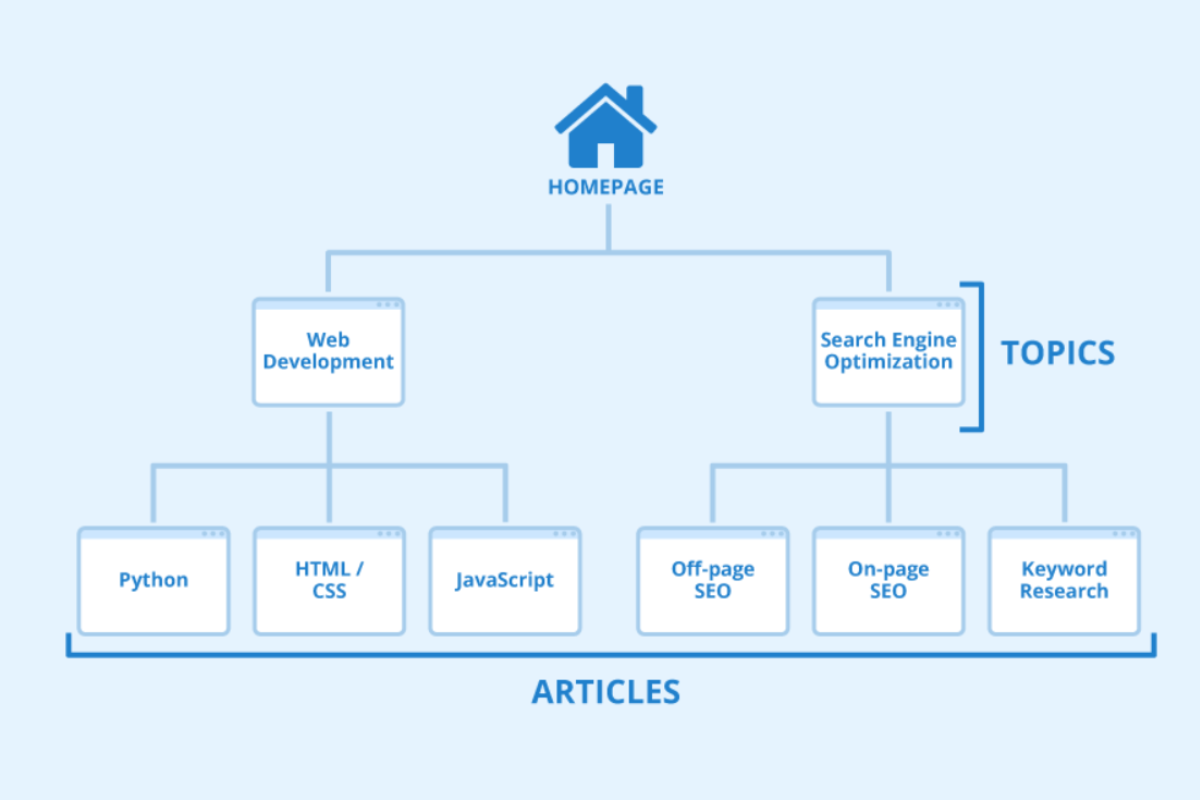
A sitemap does not replace proper internal linking, but it supports it by offering a clear roadmap of your website.
How Sitemaps Help Search Engines Crawl Websites
Search engines use automated bots to crawl websites. These bots follow links to find new and updated pages. When a sitemap is available, search engines can find pages faster and more accurately, especially on large or complex websites.
Sitemaps are especially helpful when:
- A website has many pages
- Pages are newly created or recently updated
- Some pages are not well connected internally
- The website is new and has few backlinks
By submitting a sitemap, you reduce the risk of important pages being missed during crawling.
Why Sitemaps Are Important for Indexing
Indexing is the process where search engines store and organize web pages in their database. A sitemap helps search engines identify which pages you want indexed and which ones matter most.
Sitemaps can include:
- The last modified date of each page
- The priority level of pages
- The frequency of updates
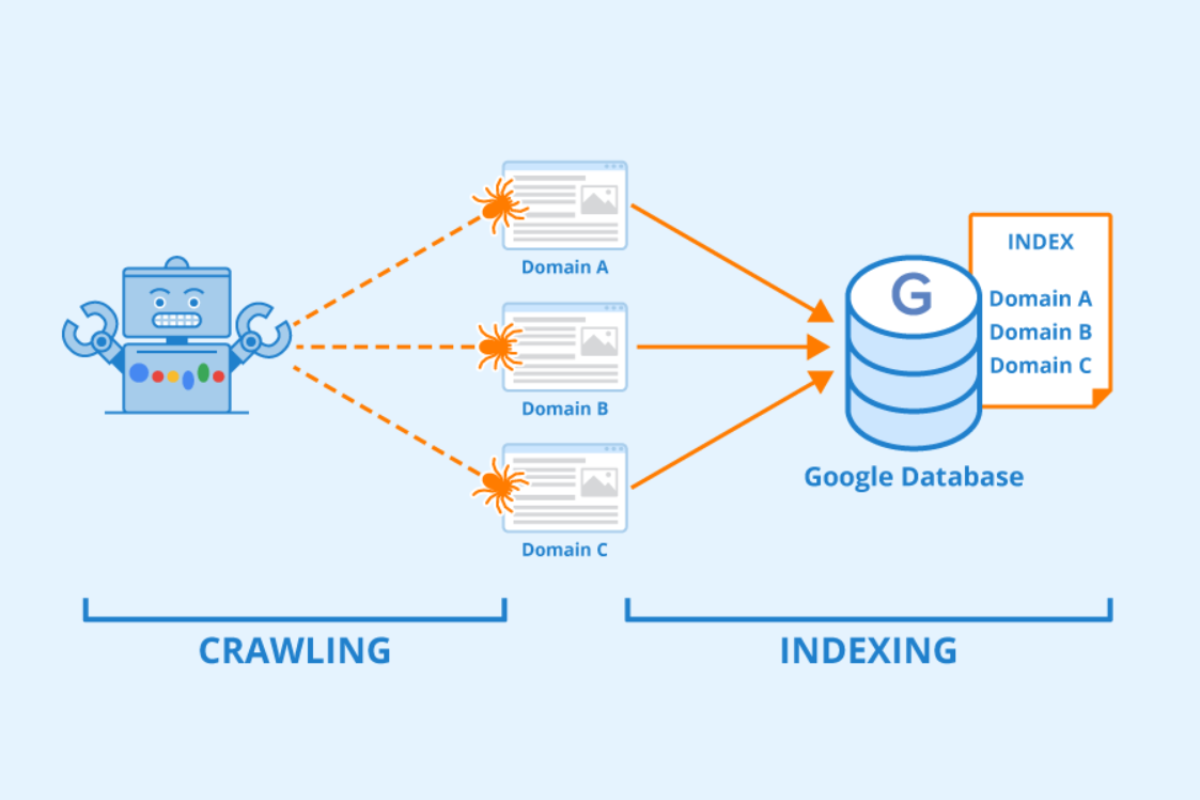
This information allows search engines to crawl smarter and focus on your most valuable content.
How Sitemaps Improve SEO Performance
While sitemaps do not directly improve rankings, they strongly support SEO by improving crawl efficiency and index accuracy. When search engines can access and understand your content more easily, your pages have a better chance of appearing in search results.

SEO benefits of sitemaps include:
- Faster discovery of new content
- Better indexing of deep pages
- Reduced crawl errors
- Improved visibility for important pages
- Stronger technical SEO foundation
A well maintained sitemap ensures your SEO efforts are fully recognized by search engines.
Why Sitemaps Matter for Large and Local Websites
For large websites, sitemaps prevent search engines from wasting crawl budget on low value pages. For local businesses, sitemaps ensure service pages, location pages, and blog posts are indexed correctly and appear in relevant searches.
Local SEO especially benefits from sitemaps that include:
- Service pages
- Location specific pages
- Blog posts targeting local keywords
This improves search visibility in competitive local markets.
XML Sitemap vs HTML Sitemap
An XML sitemap is designed for search engines and helps with crawling and indexing. An HTML sitemap is designed for users and improves navigation. Both are useful, but XML sitemaps are essential for SEO.
Most modern websites use XML sitemaps as the primary sitemap format for search engines.
How to Create a Sitemap
Creating a sitemap is straightforward and often automated.
Common methods include:
- WordPress plugins like Yoast SEO or Rank Math
- Built in sitemap tools on platforms like Wix or Squarespace
- Online sitemap generators for custom websites
Once created, the sitemap should be submitted through Google Search Console to ensure search engines can access it.
How to Submit a Sitemap to Search Engines
Submitting a sitemap helps search engines find it faster.
Steps include:
- Log into Google Search Console
- Select your website property
- Navigate to the Sitemaps section
- Enter the sitemap URL
- Submit and monitor indexing status
This process ensures Google is aware of all important pages on your site.
Common Sitemap Mistakes to Avoid
Poor sitemap management can reduce its effectiveness.
Avoid these mistakes:
- Including blocked or noindex pages
- Adding duplicate URLs
- Submitting outdated sitemaps
- Forgetting to update after major site changes
- Not monitoring sitemap errors
Keeping your sitemap clean and updated is essential for long term SEO success.
Sitemaps are a foundational part of the search engine optimization process. They help search engines crawl and index websites more efficiently, ensure important pages are not missed, and support both local and large scale SEO strategies. While sitemaps alone do not guarantee rankings, they make every other SEO effort more effective.
If you want search engines to understand and index your website properly, maintaining an accurate sitemap should always be part of your SEO strategy.